How to Choose a Reliable Carbon Zinc Battery Supplier in China?
Selecting the right carbon zinc battery supplier is a critical decision for importers, distributors, and OEM buyers. While carbon zinc battery products are widely available, supplier capabilities can vary significantly in terms of quality consistency, pricing structure, compliance, and delivery reliability.
This guide provides a structured approach to evaluating a carbon battery company, helping B2B buyers reduce sourcing risks and align product selection with their market needs.
Why Supplier Selection Matters?
Carbon zinc batteries are typically used in low-drain applications such as remote controls, flashlights, clocks, and gas stove ignition systems. Although the technology is mature, inconsistencies in raw materials, sealing processes, or storage conditions can directly affect performance and shelf life.
For distributors and private label buyers, working with a qualified carbon zinc battery supplier helps ensure:
- Stable product quality across batches
- Compliance with international standards
- Reliable lead times for bulk orders
- Adaptability for different market segments
In contrast, choosing an unverified carbon battery company may lead to issues such as leakage, short shelf life, or inconsistent discharge performance—resulting in customer complaints and brand damage.
Key Criteria for Evaluating a Carbon Zinc Battery Supplier
1. Manufacturing Background and Industry Experience
Start by assessing whether the carbon battery company operates its own production facilities or relies on outsourcing. Manufacturers with long-standing production experience are generally more capable of maintaining stable quality.
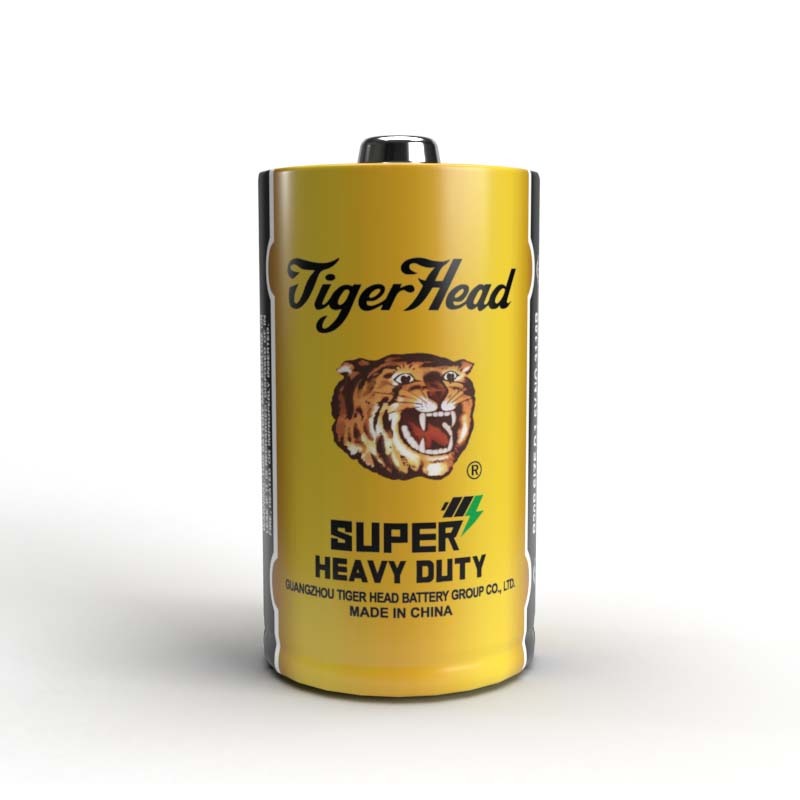
For example, companies like Tiger Head Battery, with a long industrial history and public listing background, often operate under more structured quality control systems and corporate governance frameworks. This can be an important factor for buyers who prioritize supply chain stability.
2. Product Range and Application Matching
A qualified carbon zinc battery supplier should offer a diversified product line to match different application scenarios. Not all carbon zinc battery products are interchangeable; performance levels differ depending on formulation and intended use.
Typical product segmentation includes:
- Carbon Zinc Batteries (Standard Range) – suitable for general low-drain devices
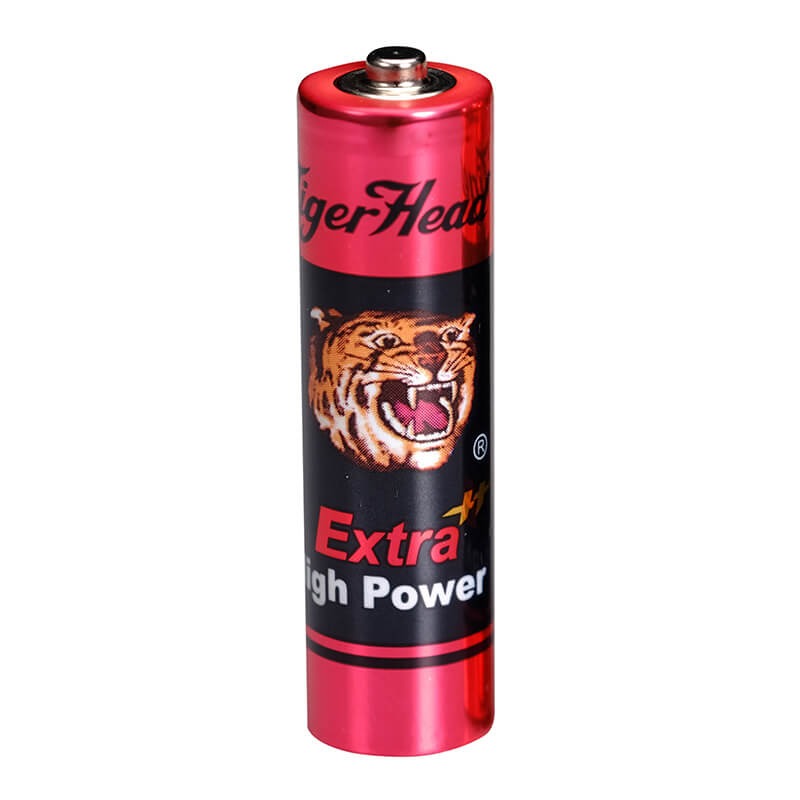
- Carbon Zinc Battery – Extra++ High Power – designed for higher energy output in intermittent use
- Carbon Zinc Battery – Plus Heavy Duty – balanced performance for daily-use electronics
- Carbon Zinc Battery – Super Heavy Duty – enhanced capacity for longer usage cycles
- Carbon Zinc Battery – Super Quality – improved stability and shelf life
- Carbon Zinc Battery – Gas Stove Batteries – specialized for ignition systems requiring instant discharge
When evaluating a carbon battery company, buyers should confirm whether the supplier can recommend suitable models based on actual application scenarios rather than offering a single generic product.
3. Quality Control and Certification
Consistency is a key concern in carbon zinc battery procurement. Buyers should verify:
- Compliance with standards such as IEC or equivalent
- Incoming raw material inspection processes
- In-line production quality checks
- Final product testing (leakage resistance, discharge performance, shelf life)
A reliable carbon zinc battery supplier should be able to provide documentation and test data upon request. This is particularly important for importers serving regulated markets.
4. Production Capacity and Supply Stability
For B2B buyers, supply continuity is often more important than unit price. A capable carbon battery company should demonstrate:
- Scalable production capacity
- Stable raw material sourcing
- Ability to handle peak-season demand
- Consistent lead times
Buyers working with retail chains or large distributors should prioritize suppliers with proven export experience and established logistics processes.
5. OEM and Private Label Capabilities
Many distributors require customized branding or packaging. A flexible carbon zinc battery supplier should support:
- Private label printing
- Packaging customization (blister packs, shrink wrap, bulk packaging)
- Barcode and compliance labeling
- Market-specific design adjustments
Working with a carbon battery company that understands international retail requirements can simplify market entry and reduce communication costs.
6. Pricing Structure and Cost Transparency
While carbon zinc battery products are generally cost-sensitive, buyers should avoid focusing solely on the lowest price. Instead, evaluate:
- Pricing consistency across orders
- Clarity of quotation (FOB, CIF, etc.)
- MOQ requirements
- Cost differences between product grades
Different categories such as Super Heavy Duty or Gas Stove Batteries may have varying cost structures. A transparent carbon zinc battery supplier will explain these differences clearly.
7. Export Experience and Communication Efficiency
Efficient communication is essential for international procurement. A professional carbon battery company should provide:
- Clear documentation (PI, packing list, certificates)
- Timely response to inquiries
- Familiarity with export procedures
- Experience handling customs requirements
Buyers should also evaluate how well the supplier understands their target market, especially in terms of compliance and packaging standards.
What Common Mistakes Should Buyers avoid?
Even experienced importers can encounter issues when sourcing carbon zinc battery products. Common mistakes include:
- Selecting a carbon zinc battery supplier based only on price
- Ignoring differences between product grades
- Overlooking shelf life requirements
- Failing to test samples before bulk orders
- Not verifying certifications and compliance documents
Avoiding these pitfalls can significantly reduce procurement risks.
Matching Product Types to Market Needs
Different markets require different specifications for carbon zinc batteries. For example:
- Price-sensitive markets may favor Plus Heavy Duty or standard Carbon Zinc Batteries
- Retail channels may require higher stability options like Super Quality
- Specialized applications such as kitchen appliances may need Gas Stove Batteries
- Distributors targeting longer usage cycles may consider Super Heavy Duty
A knowledgeable carbon zinc battery supplier should assist buyers in aligning product selection with their distribution channels.
Final Considerations for B2B Buyers
Choosing the right carbon battery company involves more than comparing quotations. It requires a comprehensive evaluation of manufacturing capability, product range, quality control, and service support.
Established manufacturers such as Tiger Head Battery illustrate how long-term industry presence, structured production systems, and diversified product lines can support stable international supply. For buyers, the key is to identify a carbon zinc battery supplier whose capabilities match their business model and market positioning.
Conclusion
The global demand for carbon zinc battery products remains steady, particularly in cost-sensitive and low-drain application markets. However, supplier selection continues to be a decisive factor in long-term success.
By applying clear evaluation criteria—ranging from product classification and quality control to OEM capabilities and export experience—buyers can make more informed decisions when selecting a carbon zinc battery supplier.
A structured sourcing approach not only reduces operational risks but also strengthens competitiveness in increasingly price-sensitive and quality-conscious markets.