Lithium vs Alkaline Battery - The Necessity of Testing Performance, Safety
In global sourcing and product development, the comparison of Lithium vs Alkaline Battery is a common decision point for buyers across retail, industrial, and OEM markets. While both battery types are widely used, their differences in cost structure, performance characteristics, and supply chain stability can directly impact procurement outcomes.
For companies working with a battery supplier or evaluating an alkaline battery factory, the focus is not only on technical specifications but also on long-term supply reliability, product consistency, and market fit. Understanding how different battery types perform under real application conditions helps buyers make more informed decisions, especially when dealing with large-volume purchasing or private label projects.
This guide examines Lithium vs Alkaline Battery from a procurement perspective, covering key performance differences, application scenarios, and factors to consider when selecting a qualified supplier.
What Is a Lithium Battery and What Are Its Common Types?
Lithium batteries are widely used in industrial and consumer applications due to its high energy density and stable output characteristics. In procurement planning, lithium products are often compared with alkaline solutions in terms of cost, performance, and supply chain stability.
In the discussion of Lithium vs Alkaline Battery, lithium types are generally selected for high-drain and long-cycle applications such as medical devices, electronics, and industrial equipment. However, they typically require more controlled supply conditions and higher unit cost planning from a battery supplier perspective.
What Is an Alkaline Cell Battery and What Are Its Types?
An alkaline button cell battery is a primary battery widely used in low to medium drain devices. It is commonly available in standard sizes such as AA alkaline battery and AAA alkaline battery formats.
From a procurement perspective, alkaline cell battery products are often chosen for stable, long shelf-life requirements and predictable usage scenarios. In the Lithium vs Alkaline Battery comparison, alkaline types are generally more cost-efficient for large-volume consumption markets.
A typical alkaline battery factory produces multiple configurations including general-purpose, industrial-grade, and OEM customized versions to support different battery supplier needs.
Lithium vs Alkaline Battery: Which Is Better for Procurement?
When evaluating Lithium vs Alkaline Battery, the decision is not based on performance alone but also on supply chain structure, cost control, and application requirements.
For bulk purchasing, lithium options may require stricter logistics planning, while alkaline solutions offer more stable sourcing from an established alkaline battery factory network.
In many cases, a battery supplier will recommend alkaline products for standardized consumption models, while lithium is selected for performance-critical applications. Therefore, the comparison of Lithium vs Alkaline Battery should always be linked to end-use scenarios and procurement strategy rather than isolated technical metrics.
Lithium vs Alkaline Battery: Key Differences for Buyers
1. Cost Considerations in Bulk Purchasing
In bulk procurement, Lithium vs Alkaline Battery show clear cost differences. Alkaline products from an alkaline battery factory generally have lower unit cost, making them suitable for large-scale distribution.
2. Output Stability in Different Applications
A stable output is critical for device compatibility. In Lithium vs Alkaline Battery, lithium provides more consistent discharge curves, while alkaline batteries are widely accepted in standardized equipment.
3. Voltage and Discharge Curve
Voltage behavior differs significantly in Lithium vs Alkaline Battery, affecting device performance over time.
4. Capacity for Low vs High Drain Devices
Low-drain devices often rely on alkaline products supplied by an alkaline battery factory, while high-drain systems may prefer lithium.
5. Shelf Life and Storage Conditions
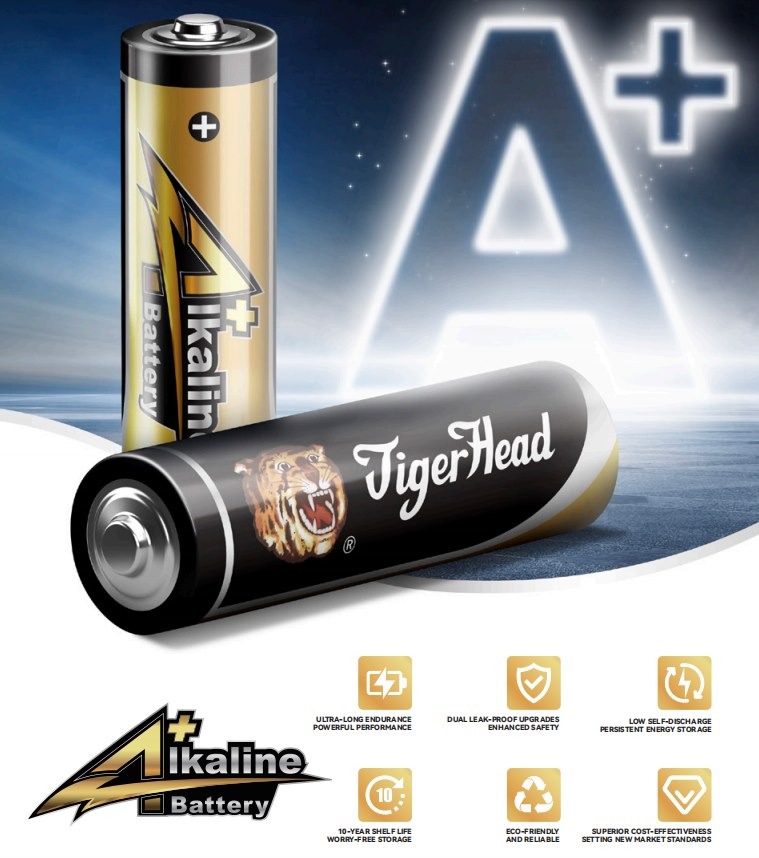
Alkaline batteries typically offer long shelf stability, which is a key advantage in global battery supplier distribution networks.
When Should You Choose High Quality Alkaline Batteries?
- High quality alkaline batteries are commonly used in retail, OEM branding, and industrial distribution channels where stable supply and predictable performance are required.
- In the Lithium vs Alkaline Battery decision process, alkaline options are often selected for cost-sensitive markets and large-volume consumption.
- A reliable alkaline battery factory ensures consistent production quality, which is essential for maintaining brand reputation in OEM supply chains. Many battery supplier partnerships also prioritize alkaline products due to their broad application coverage.
- Compared with carbon zinc battery products, alkaline solutions offer better energy output and longer storage life, making them more suitable for structured distribution models.
How to Choose a Reliable Alkaline Battery Factory for Bulk Supply?
1. Production Capability
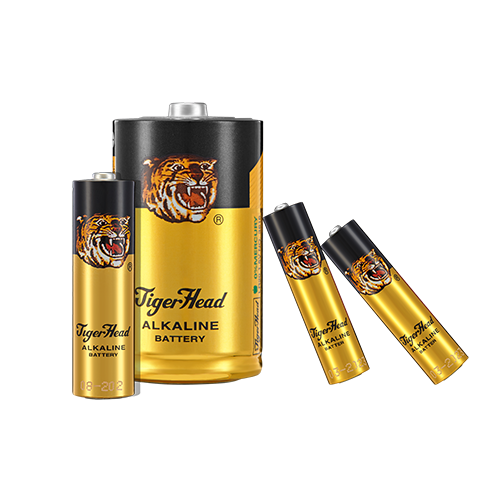
A qualified alkaline battery factory should demonstrate stable production capacity to support long-term bulk orders and OEM requirements.
2. Quality Control and Testing Standards
Quality systems ensure consistency across shipments. In the Lithium vs Alkaline Battery supply chain, alkaline production must still meet strict internal testing requirements.
3. Certifications and Compliance
International certifications are essential for any alkaline battery factory, especially when working with global battery supplier networks.
4. OEM & Private Label Support
OEM services are a key factor when selecting an alkaline battery factory, particularly for brands entering retail markets.
5. Export Experience
Experienced export operations ensure smooth delivery in bulk procurement scenarios involving alkaline battery factory partnerships.
How Battery Testing Impacts Product Quality and Supplier Selection?
1. Voltage Consistency Testing
Voltage stability ensures device compatibility across large-scale usage, which is important when comparing Lithium vs Alkaline Battery.
2. Internal Resistance and Stability
Testing internal resistance helps evaluate production consistency from an alkaline battery factory.
3. Capacity Verification
Capacity testing ensures that battery supplier claims align with real-world performance in bulk applications.
4. Temperature Performance
Temperature variation testing is important for both Lithium vs Alkaline Battery, especially in industrial environments.
Test results are often used by buyers to evaluate whether an alkaline battery factory meets long-term supply requirements.
Choosing the Right Battery Type for Your Market
- Selecting between Lithium vs Alkaline Battery depends on end-user application, cost structure, and supply chain reliability.
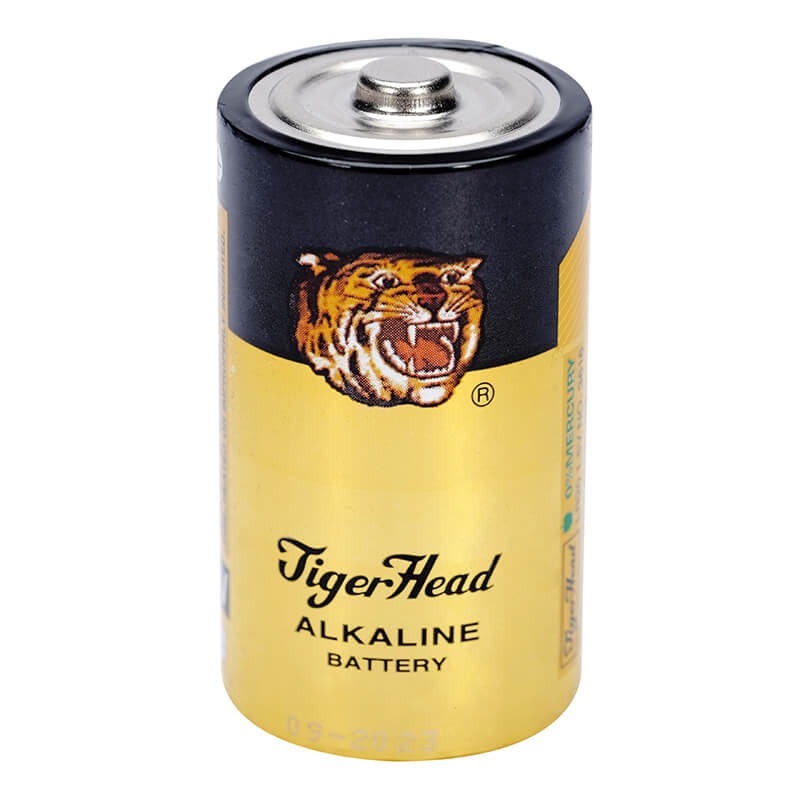
- Alkaline batteries are commonly supplied by an alkaline battery factory for retail, household, and OEM branding markets. Lithium solutions are more often used in high-performance or specialized systems.
- A professional battery supplier will usually recommend a diversified portfolio depending on demand structure. In global sourcing strategies, alkaline battery factory partnerships remain important due to stable output and wide compatibility.
- Understanding Lithium vs Alkaline Battery from a procurement perspective helps buyers align technical needs with supply chain efficiency.
Conclusion
In the comparison of Lithium vs Alkaline Battery, the final decision should be based on application requirements, procurement scale, and supplier capability.
An experienced alkaline battery factory plays a key role in supporting stable bulk supply and OEM development. Working with a reliable battery supplier ensures consistent quality and long-term cooperation efficiency.
For many standardized applications, alkaline solutions remain a practical option, while lithium technologies serve more specialized performance-driven markets.